Washing Machine Not Spinning: Texas Repair Guide
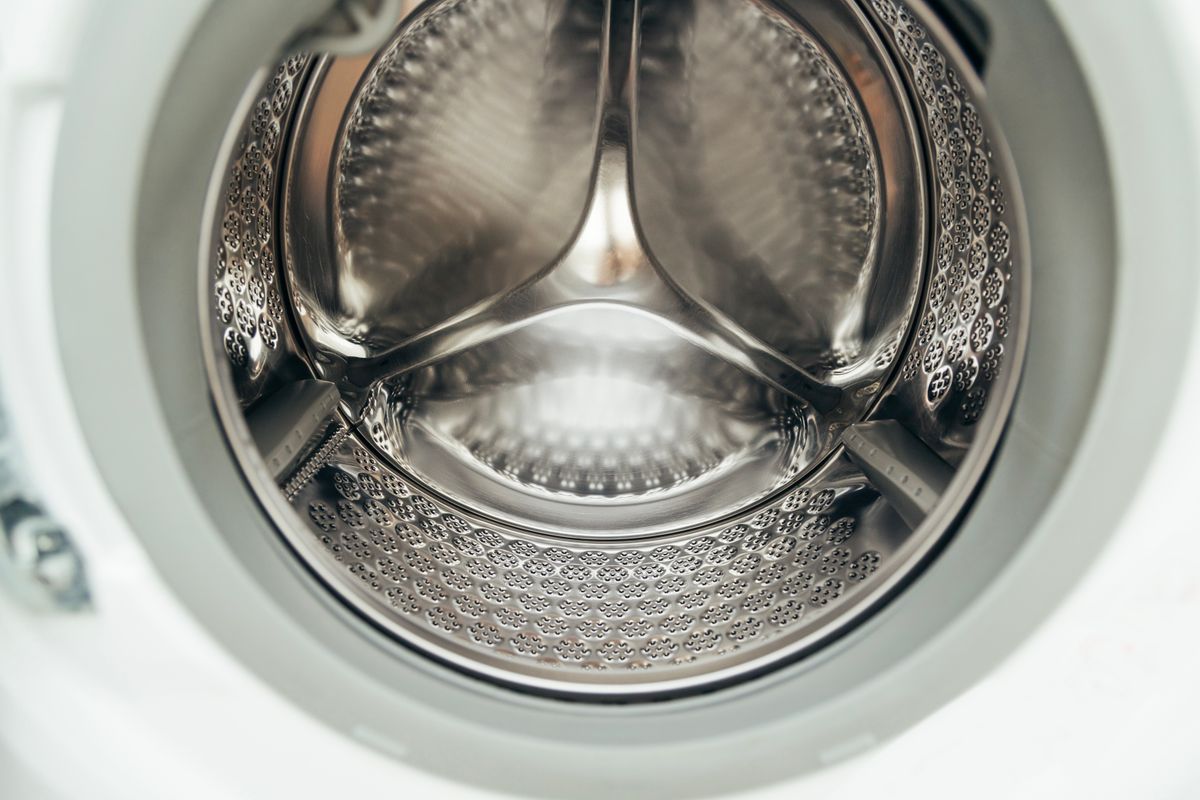
Quick answer: A washing machine that fills with water but won't spin has five likely causes: unbalanced load (50% of cases, fixes in 60 seconds), broken lid switch or door latch (20%), worn drive belt (15%), failed motor coupling on top-load washers (10%), or clogged drain pump preventing spin (5%). Most causes are inexpensive to repair.
The 60-Second Fix That Solves Half of All Spin Issues
Before assuming you need a repair, try this first: open the washer and rearrange the load. Modern washers (especially HE top-loaders and front-loaders) refuse to spin when the load is unbalanced — this is a safety feature that prevents the washer from "walking" across the laundry room. A bath towel on one side and nothing on the other side will trigger this.
Rearrange so the load is roughly even around the drum, close the lid/door fully, and restart the spin cycle. If the washer now spins, you didn't need a repair — just a more even load.
If That Didn't Work: Diagnostic Steps
- Verify the lid or door closes completely. Open and close it firmly. Listen for the "click" of the latch engaging. If it doesn't click, the latch is broken — washers will not spin with the door open as a safety measure.
- Check the door switch (front-loaders). Front-load washers have an electronic interlock that locks the door during operation. If the interlock fails, the washer won't sense the door is closed and won't spin. Listen for the locking click at the start of a cycle — if it's silent, the interlock has failed.
- Drain the water manually if water remains. Most washers will not spin if water didn't drain. If water is still in the drum, you have a drainage problem, not a spin problem.
- Listen during the spin attempt. Does the motor hum but the drum doesn't turn? That's a motor coupling or belt issue. Is there clicking from the lid area? Lid switch problem. Total silence? Likely a control board issue.
- Inspect the drive belt (visible from the back of most top-load washers, requires disassembly on front-loaders). If you can see a loose, frayed, or broken belt, that's your problem.
Cost to Repair Each Cause
| Cause | Repair Cost (Texas, 2026) |
|---|---|
| Lid switch replacement (top-load) | $110–$180 |
| Door latch / interlock (front-load) | $130–$220 |
| Drive belt replacement | $120–$260 |
| Motor coupling (top-load direct-drive) | $140–$260 |
| Drain pump (causing no-spin via failed drain) | $160–$320 |
| Drive motor | $220–$420 |
| Control board | $250–$450 |
Front-Loader Specific Issue: The Boot Seal
Front-load washers have a flexible rubber "boot" that seals the door to the drum. Over time, this boot tears or develops mold (especially common in humid Texas climates). If the boot has a small tear, water can leak past it during spin, which the washer detects and shuts down the cycle.
Inspect the boot by opening the door and pulling the rubber forward — look for tears, mold, or coins/debris trapped in the folds. Boot replacement runs $220–$420 in Texas. To prevent this issue: leave the door open between loads to allow drying, and wipe the boot dry weekly.
Top-Loader Specific Issue: The Motor Coupling
Older direct-drive top-load washers (Whirlpool/Kenmore from approximately 1986–2014) use a plastic motor coupling that transfers power from the motor to the transmission. These couplings fail predictably around year 5–8 of heavy use. The symptom is distinctive: the motor hums during spin but the drum doesn't turn.
The coupling itself costs only $15–$25, but replacement requires significant disassembly. Total Texas repair cost: $140–$260.
When to Replace Instead of Repair
Use the following framework:
- Top-load washer over 12 years old + repair quote over $300: Replace. A new mid-range top-loader is $600–$900.
- Front-load washer over 10 years old + bearing or drum repair needed: Replace. Front-load drum and bearing repairs run $400–$700+.
- Multiple recent failures in the last 12 months: Replace. You're entering the expensive end of the appliance's life.
- Otherwise reliable washer with a single failure under $300: Repair every time.
The Texas-Specific Acceleration Factor
Texas hard water and high humidity affect washers in measurable ways:
- Drive belts in humid climates last 5–7 years vs 8–10 in dry climates
- Lid switches corrode faster in coastal Texas (Houston, Galveston, Corpus Christi)
- Motor couplings on top-loaders fail earlier when the washer is overloaded — common in busy Texas households
If you're in a hard-water area, consider a whole-house water softener and use less detergent than the bottle recommends (HE detergents need 1/4 the volume of older formulas). This reduces wear on internal components.
For washer repair in Texas, call (877) 670-1060 for same-day service with upfront pricing. See our full washer repair service or related guide on front-load vs top-load washer problems.
A Quick Note on Load Distribution
The "rearrange the load" fix is so common that it bears explaining the underlying physics. Modern washers detect drum imbalance via accelerometers — sensors that measure how much the drum wobbles during spin. Front-load washers tolerate less imbalance than top-loaders because their suspension systems are designed for the heavier weight of wet clothes pressed against one side. A single heavy towel, a duvet, or a pillow can throw a front-loader's spin cycle entirely.
If you frequently wash large single items (comforters, pillows), invest in a "spin balance kit" — small weighted balls that distribute load. Cost: $10-$15. Some homeowners get years of additional washer life from this simple addition.
The Cost of Delaying a Failing-Bearing Diagnosis
Of all washer issues, ignoring a bearing problem is the most expensive. The progression is predictable:
- Weeks 1-4: Slight whirring or whining during spin cycle. Bearing is failing but still functional.
- Weeks 4-8: Audible grinding or rumbling during spin. Bearing is significantly worn.
- Weeks 8-12: Loud grinding, visible movement of the drum when you grab and rock it. Bearing nearly destroyed.
- Beyond: Drum bearing fully fails, often damaging the drum spider arm and shaft. At this point, the repair is no longer just bearings — it's bearings plus drum assembly, which doubles or triples the cost.
A bearing replacement caught early (weeks 1-4) costs $400-$500. The same issue caught after the drum is damaged costs $800-$1,200+. For a 7+ year-old washer, this often pushes the decision toward replacement when earlier intervention would have justified repair.
Frequently Asked Questions
The most common cause is an unbalanced load, which triggers a safety feature in modern washers. Other causes: broken lid switch or door latch, worn drive belt, failed motor coupling (top-load direct-drive), or clogged drain pump preventing the spin cycle from starting.
Often yes — rearranging an unbalanced load fixes about half of all 'won't spin' issues in under a minute. Beyond that, replacing a lid switch or drive belt is moderate-difficulty DIY. Motor coupling, drum bearing, or control board replacement requires a technician.
DIY fixes cost nothing. Professional repairs in Texas range from $110 (lid switch) to $450 (control board) in 2026. The most common professional repairs are in the $130–$260 range.
Most often this is a boot seal that has a small tear, causing the washer to detect a water leak and abort the cycle. Boot inspection is the first step — look for tears, mold, or trapped objects. Replacement runs $220–$420.
Need Professional Help?
If you're experiencing appliance problems in Texas, Home Sure Appliance Repair is here to help. Our experienced technicians provide fast, reliable repair service throughout the state.
(877) 670-1060