Front-Load vs Top-Load Washer Problems in Texas
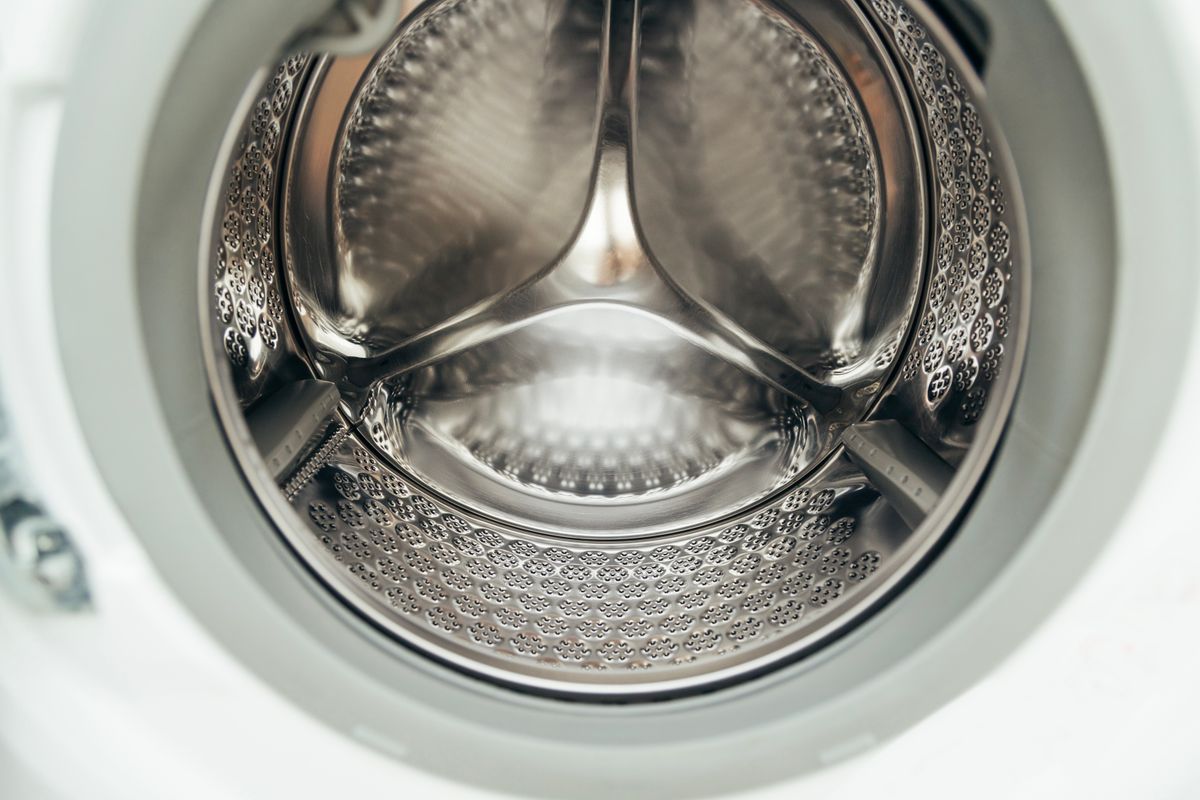
Quick answer: Front-load washers in Texas are prone to door boot mold (worsened by humidity) and expensive bearing failures ($400–$700+). Top-load washers are prone to motor coupling and transmission issues but generally cheaper repairs. Neither is universally "better" — the right choice depends on your priorities and willingness to maintain the machine.
How the Two Types Fail Differently
Front-load and top-load washers are mechanically different machines with different failure profiles. Understanding this helps you maintain whichever you own and choose wisely when replacing.
| Problem | Front-Load | Top-Load |
|---|---|---|
| Door boot mold/odor | Common (worse in humid TX) | Rare |
| Bearing failure | $400–$700+ (major) | $300–$500 |
| Motor coupling | N/A | $140–$260 (common) |
| Drain pump | $200–$320 | $160–$260 |
| Door/lid lock | $130–$220 | $110–$180 |
| Suspension/shocks | $240–$400 | $180–$300 |
The Front-Load Mold Problem — Amplified in Texas
Front-load washers seal tightly with a rubber door boot. Water and detergent residue collect in the boot folds, and in Texas's humid climate this becomes a mold breeding ground far faster than in dry states. Symptoms: musty smell on "clean" laundry, visible black mildew in the door gasket, and eventually a boot that degrades and leaks.
Prevention is straightforward but requires consistency:
- Leave the door open between loads so the drum and boot dry out
- Wipe the boot dry after the last load of the day
- Run a monthly tub-clean cycle (Affresh or bleach)
- Use the correct amount of HE detergent — overdosing leaves residue that feeds mold
- Remove laundry promptly; don't leave wet clothes sitting in the drum
This single maintenance habit is the difference between a front-loader being a great machine and a constant headache in Texas.
The Top-Load Wear Pattern
Traditional and HE top-loaders avoid the mold problem (the drum is vertical and dries naturally) but have their own wear points. Older direct-drive top-loaders (Whirlpool/Kenmore design) use a plastic motor coupling that predictably fails around year 5–8 — the telltale sign is the motor humming during spin but the drum not turning. It's an inexpensive part ($15–$25) but labor-intensive to access ($140–$260 total). HE top-loaders with no agitator can have suspension and balance issues, throwing "UL" (unbalanced) errors.
Which Holds Up Better in Texas?
There's no universal winner — it depends on what you prioritize:
- Choose front-load if: you want better cleaning, gentler fabric care, and lower water/energy use — AND you'll commit to the anti-mold maintenance routine. In humid Texas, the maintenance is non-negotiable.
- Choose top-load if: you want lower maintenance, lower upfront cost, and don't want to think about the machine. HE top-loaders are a reasonable middle ground.
- Avoid front-load if: the washer will be in a hot garage or unconditioned space (mold risk skyrockets) or you know you won't keep up with the maintenance routine.
Texas Hard Water Affects Both
Regardless of type, Texas hard water shortens the life of inlet valves, heating elements, and pumps in both washer styles. Homes with a water softener see significantly fewer washer repairs over the appliance's life. If you're in a known hard-water region like San Antonio, Lubbock, or Midland, this is worth considering for any washer type.
Repair vs. Replace by Type
- Front-load bearing failure on a 7+ year unit: Usually replace — the $400–$700+ repair on an aging machine rarely makes sense unless it's a premium brand (Speed Queen, Miele).
- Top-load motor coupling at any age: Almost always repair — it's a cheap, well-understood fix.
- Either type, single failure under $300, unit under 8 years: Repair.
- Either type, multiple failures within 12 months: Replace.
For washer repair on either type, our technicians provide same-day service across Texas. See washer repair and washing machine repair. Related guides: washer not spinning and washing machine leaking.
The Maintenance Habit That Decides Everything
For a front-load washer in Texas, long-term satisfaction comes down to a single habit: drying the machine out between uses. Leaving the door and detergent drawer open, wiping the boot, and running a monthly tub-clean cycle is the difference between a front-loader being an excellent appliance for 12+ years and being a moldy, smelly source of repeated service calls. If you know you won't keep this up, that knowledge alone is a strong argument for choosing a top-loader for your next washer in humid Texas.
Matching the Washer to Where It Will Live
Placement should drive the front-load-vs-top-load decision more than most buyers realize. A washer in a conditioned interior laundry room can be either type. A washer destined for a hot, humid Texas garage strongly favors a top-loader, because the conditions that make garages hard on all appliances specifically accelerate front-loader mold and boot failure. Deciding where the machine will live before you shop prevents a predictable, avoidable headache.
Frequently Asked Questions
Neither is universally better. Front-loaders clean better and use less water but are prone to door boot mold (worse in humid Texas) and expensive bearing failures. Top-loaders are lower-maintenance but have motor coupling and transmission wear. The right choice depends on whether you'll maintain it.
Texas humidity accelerates mold growth in the rubber door boot where water and detergent residue collect. Prevent it by leaving the door open between loads, wiping the boot dry, running monthly tub-clean cycles, and using the correct HE detergent amount.
Front-load bearing failure at $400–$700+. On a 7+ year-old front-loader, this usually means replacement is the better choice unless it's a premium brand like Speed Queen or Miele. Top-load bearing repairs are somewhat cheaper at $300–$500.
Generally yes. A hot, unconditioned garage dramatically increases the front-loader mold risk. If the washer must go in a garage, a top-loader is the lower-maintenance choice for Texas conditions.
Need Professional Help?
If you're experiencing appliance problems in Texas, Home Sure Appliance Repair is here to help. Our experienced technicians provide fast, reliable repair service throughout the state.
(877) 670-1060