Washing Machine Leaking? A Texas Troubleshooting Guide
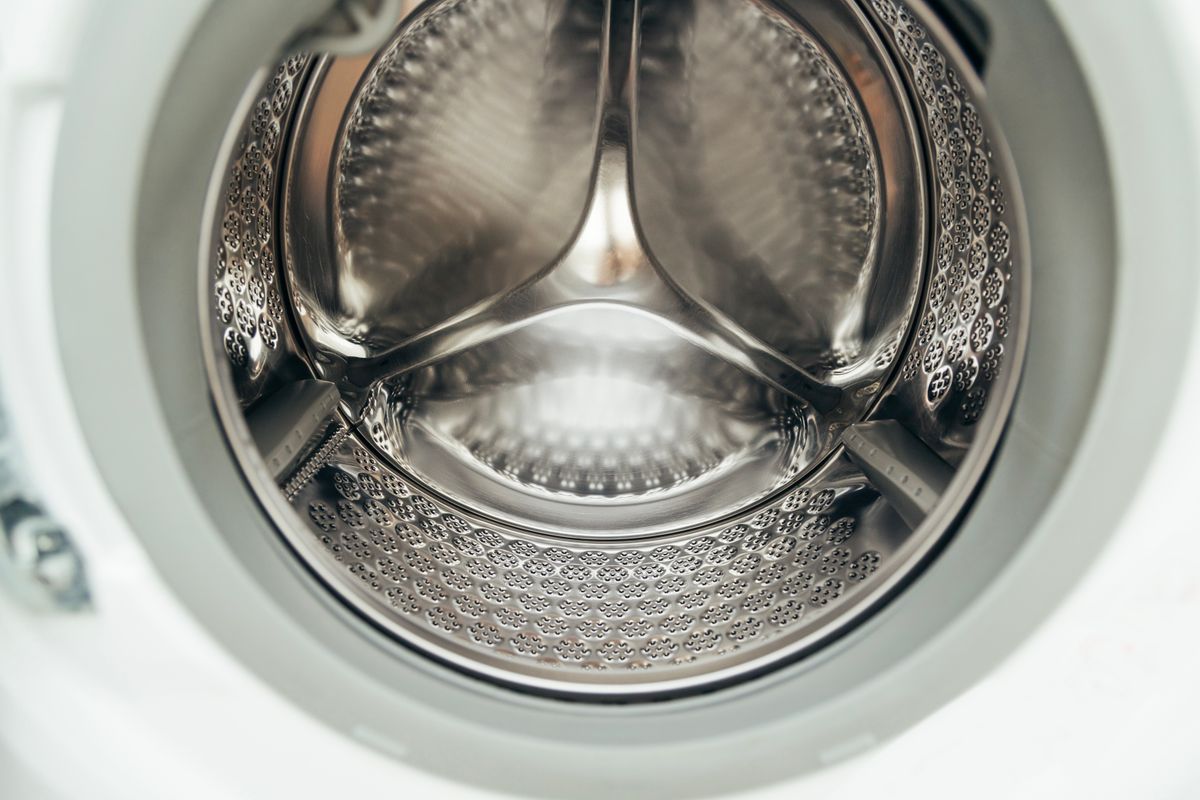
Quick answer: A leaking washing machine has a findable source. Leaks during fill point to inlet hoses or the water inlet valve; leaks during wash/spin point to the door boot (front-load), drain pump, or tub seal; leaks that pool over time point to a cracked hose or loose connection. In Texas, aging rubber inlet hoses are the single most common — and most damaging — culprit.
First: Stop the Water and Find the Timing
The most important diagnostic clue is when the leak appears during the cycle. Before troubleshooting, pull the washer out, place dry paper towels around the base, and run a short cycle while watching. Note exactly when water appears: during fill, during wash, during spin, or only as a slow pool afterward. This single observation narrows the cause more than anything else.
Leak-by-Timing Diagnostic
| When It Leaks | Likely Source | Repair Cost |
|---|---|---|
| During fill (start of cycle) | Inlet hoses or inlet valve | $15–$220 |
| During wash agitation | Door boot (front-load) or tub seal | $220–$500 |
| During drain/spin | Drain pump or drain hose | $160–$320 |
| Slow pool over hours | Cracked hose / loose clamp | $15–$120 |
| From the door (front-load) | Boot seal tear or trapped debris | $220–$420 |
The #1 Texas Culprit: Aging Inlet Hoses
The rubber fill hoses connecting your washer to the hot and cold water supply are under constant pressure — even when the washer is off. Over years, rubber degrades, develops bulges, and eventually bursts. A burst inlet hose is the single most common cause of catastrophic home water damage from any appliance, releasing hundreds of gallons per hour.
Texas-specific accelerators:
- Hard water deposits minerals at hose connections, weakening them and causing slow drips that progress to failures
- Hot laundry rooms (garage or unconditioned space in Texas) accelerate rubber degradation
- Temperature cycling between hot Texas days and AC-cooled interiors stresses the rubber
Action: Inspect inlet hoses for bulges, cracks, rust, or dampness. If yours are rubber and over 5 years old, replace them with stainless-steel braided hoses ($15–$30 the pair) — this is the cheapest, highest-value preventive fix in the entire laundry room. Many Texas homeowners do this proactively to avoid a flooded home.
Front-Load Door Boot Leaks
If you have a front-loader and water appears at the door during wash, the rubber boot seal is the likely source. Common in humid Texas because the boot also develops mold that degrades the rubber. Check:
- Pull the boot forward and inspect the folds for tears, holes, or trapped objects (coins, hairpins)
- Look for black mold deterioration — Texas humidity accelerates this
- Run a cycle and watch where on the boot the water emerges
Small debris-caused leaks may clear by cleaning. A torn boot needs replacement ($220–$420). Prevent recurrence by leaving the door open between loads and wiping the boot dry — the standard humid-Texas front-loader maintenance.
Drain Pump and Hose Leaks
If water appears during the drain/spin phase, the drain pump or its hoses are leaking. Causes: cracked pump housing, worn pump seal, loose hose clamps, or a clog forcing water out under pressure. In Texas, hard-water-and-lint sludge accelerates pump wear. This is a professional repair ($160–$320) in most cases, though a loose hose clamp is a quick fix if that's all it is.
Tub Seal Leaks (The Serious One)
If a top-loader leaks from the center-bottom during wash/spin, the tub seal may have failed — often signaled by rust-colored water (the bearing below it corroding). This is a major repair ($300–$500) and on older machines often pushes the decision toward replacement. Rust-colored leaking water is the warning sign not to ignore.
What to Do Right Now If It's Leaking
- Turn off the water supply to the washer (the valves behind it). For active leaks, this stops further damage immediately.
- Unplug the washer — water plus electricity is a hazard.
- Identify the leak timing using the method above before calling for service — it speeds diagnosis and can lower the repair cost.
- Check the cheap stuff first: hose connections (tighten), hose condition (replace if old), and trapped debris in a front-load boot.
- Call a professional for pump, tub seal, or persistent leaks you can't source.
For washer leak diagnosis and repair, our technicians provide same-day service across Texas with upfront pricing. See washer repair and washing machine repair. Related guides: washing machine not spinning and front-load vs top-load washer problems.
The Highest-Value Five Minutes in Your Laundry Room
If you take only one action from this guide, inspect and replace aging rubber inlet hoses. They sit under constant pressure even when the washer is off, and a burst hose releases hundreds of gallons an hour — the single most damaging appliance failure a home can suffer. Swapping rubber hoses over five years old for stainless braided ones costs $15–$30 and ten minutes. No other laundry-room task comes close to that ratio of cost to catastrophe prevented, and Texas heat makes proactive replacement especially worthwhile.
Why Timing the Leak Beats Guessing
The reason this guide emphasizes when the leak appears is that it converts a frustrating mystery into a short list. Fill-phase leaks, wash-phase leaks, spin-phase leaks, and slow afterward-pools each point to a different, specific source. Spending two minutes watching a cycle with paper towels down narrows a potentially expensive diagnosis before a technician arrives — and sometimes reveals a loose clamp or worn hose you can resolve yourself for a few dollars.
Frequently Asked Questions
Note when the leak appears during the cycle. Leaks during fill point to inlet hoses or the inlet valve; during wash to the door boot (front-load) or tub seal; during drain/spin to the drain pump or hose; a slow pool afterward to a cracked hose or loose clamp.
Aging rubber inlet hoses. They're under constant pressure and degrade over years, eventually bursting and causing major water damage. Texas hard water and hot laundry rooms accelerate this. Replace rubber hoses over 5 years old with stainless braided ones ($15–$30) — the highest-value preventive fix.
The rubber door boot seal likely has a tear, or debris (coins, hairpins) is trapped in its folds. Texas humidity also causes mold that degrades the boot. Small debris leaks may clear with cleaning; a torn boot needs replacement ($220–$420).
Yes. Rust-colored water from a top-loader's center-bottom during wash/spin usually means the tub seal has failed and the bearing below it is corroding. This is a major repair ($300–$500) that often pushes older machines toward replacement.
Need Professional Help?
If you're experiencing appliance problems in Texas, Home Sure Appliance Repair is here to help. Our experienced technicians provide fast, reliable repair service throughout the state.
(877) 670-1060