Why Dryers Take Longer in Texas Humidity
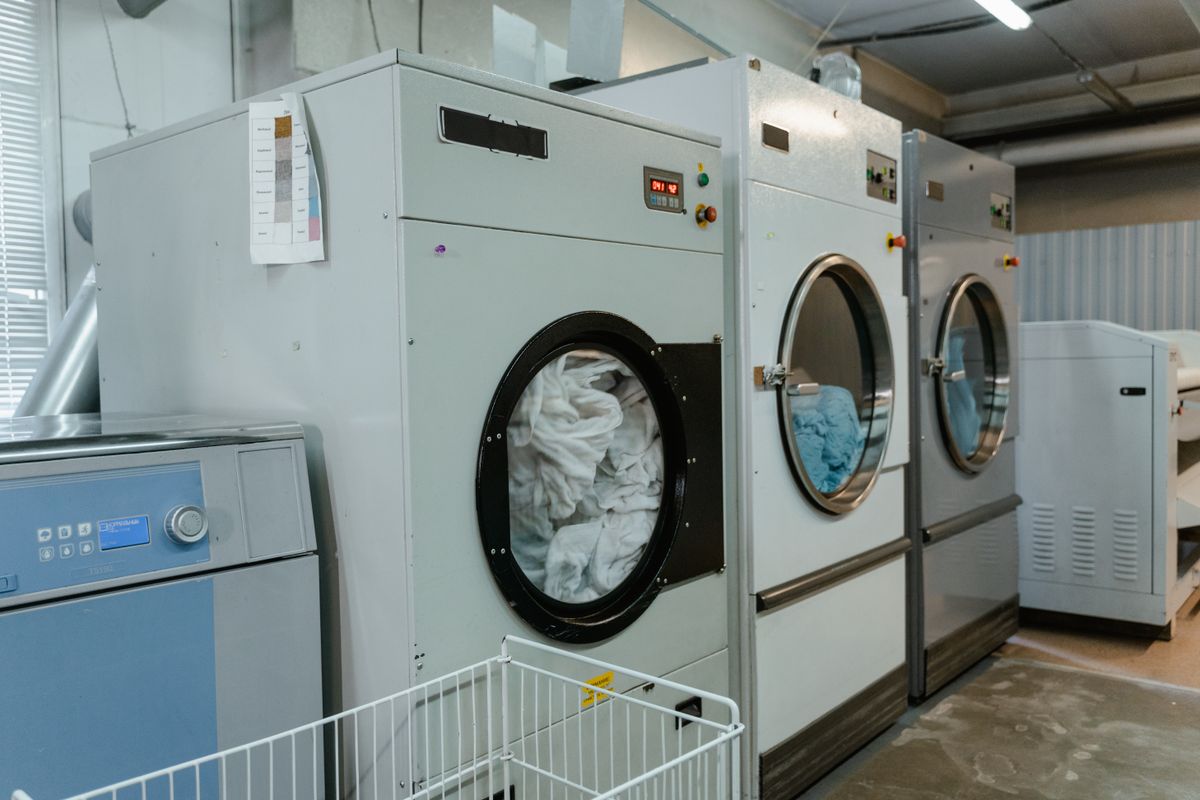
If your dryer used to finish a load in 45 minutes and now takes 90+ minutes, you're not imagining it — and it's not entirely the humidity. While Texas's 75% average summer humidity does extend drying times somewhat, the dramatic difference most homeowners notice is caused by a combination of factors that compound: humidity plus vent restriction plus duct issues plus appliance age. Understanding what's actually happening helps you fix it.
The Physics of Why Texas Humidity Slows Drying
Dryers work by heating air, passing it through tumbling clothes, and exhausting the moisture-laden air outside. Two things matter for drying speed:
- How much moisture the air can absorb before becoming saturated
- How quickly that moisture-laden air can be exhausted and replaced with new dry air
Hot air can hold more moisture than cold air — that's basic thermodynamics. But hot HUMID air has already absorbed some moisture from the environment, leaving less capacity for absorbing more from your clothes.
At 75°F and 30% relative humidity (typical Phoenix), air can absorb roughly 12 grams of additional moisture per cubic meter before saturation. At 75°F and 75% relative humidity (typical Houston), the same air can only absorb about 5 grams. That's roughly half the absorbing capacity per pass through the dryer.
Practically: a load that takes 35 minutes in Phoenix takes 50–55 minutes in Houston, even with identical equipment in perfect condition.
Why Your Dryer Is Probably Slower Than It Should Be
The humidity effect is real but limited. If your dryer is taking 90+ minutes for a normal load, something else is wrong. In Texas homes, the three most common amplifiers are:
1. Restricted Dryer Vent (60% of cases)
Lint accumulation in the vent ductwork is the #1 cause of slow dryers. As lint builds up, the cross-section of the duct narrows, reducing airflow. With less airflow, hot humid air sits in the dryer longer instead of being exhausted outside.
Vent restrictions don't happen suddenly. They develop over 2–5 years, so the change is gradual and you adapt to it. Most Texas homeowners think "this dryer just isn't as good as it used to be" — when actually the vent has slowly clogged.
2. Long or Convoluted Vent Routes (25% of cases)
Older Texas homes often have dryer vents routed through walls and attics that travel 20–30+ feet to reach an exterior exit. Each foot of duct and each 90-degree elbow significantly reduces airflow. Building code now requires straight runs under 25 feet, but many existing homes don't meet this.
You can identify this by tracing your vent route. If your dryer is in an interior room or the duct travels multiple right-angle bends through walls or attic, this is likely contributing to slow drying — even if you keep the duct lint-clean.
3. Reduced Airflow Inside the Dryer (15% of cases)
Three specific component issues reduce dryer airflow:
- Clogged lint trap or housing. Even with daily cleaning, lint builds up in the trap housing beyond what the screen catches.
- Worn drum seal. Front and rear drum seals can wear, allowing air to bypass the drum without picking up moisture from clothes.
- Failing blower wheel. The plastic blower wheel that moves air through the dryer can crack, reducing airflow capacity.
Diagnostic Test: How Bad Is Your Vent?
This test takes 5 minutes and reveals exactly how restricted your vent is:
- Run the dryer empty on high heat for 5 minutes (let it warm up)
- Go outside to the exterior vent exit
- Hold your hand 6 inches from the vent flap
- You should feel strong, warm airflow pushing the flap fully open
If the flap barely opens, or air feels weak, your vent is significantly restricted. If you can't feel any airflow at all, the vent is severely blocked — a fire risk that needs immediate attention.
The Real Fix: Professional Vent Cleaning
For most Texas homes, the solution to slow drying is professional dryer vent cleaning. Expect to pay $80–$150 for a thorough cleaning that includes:
- Disconnecting the dryer from the wall vent
- Pulling lint and debris from the dryer's internal blower housing
- Running a flexible brush through the entire vent duct
- Vacuuming all debris dislodged by the brushing
- Inspecting the exterior vent flap and cleaning if needed
- Reconnecting and testing airflow
Most Texas households benefit from vent cleaning every 1–2 years. Households with pets, frequent laundry (5+ loads/week), or longer vent runs benefit from annual cleaning.
When Drying Time Indicates a Real Mechanical Problem
If drying times are extreme (2+ hours for a normal load) or clothes come out still wet at the end of a regular cycle, the issue may be mechanical rather than airflow:
- Failed heating element (electric): Reduced heat means longer drying. Test by feeling whether the dryer is producing strong heat after 5 minutes.
- Failed igniter or gas valve (gas): Igniter may light intermittently, causing some heat cycles to be cold.
- Failing thermistor: If the dryer's temperature sensor is reading incorrectly, the dryer may cycle off heat too early.
- Moisture sensor malfunction: Sensor dryers may shut off prematurely or run extended cycles when the moisture sensor isn't reading correctly.
These issues require professional dryer repair and usually run $150–$340 depending on the specific failure.
Habits That Reduce Drying Time
Three changes that don't require equipment changes:
- Higher washer spin speed. If your washer has a high-speed spin option, use it. Clothes coming out of the washer with less residual water dry faster. This single change can cut drying time 10–15%.
- Don't overload the dryer. Dryers work by tumbling clothes through hot air. Overloaded dryers can't tumble effectively, leaving wet patches.
- Separate heavy items from light items. Drying a heavy towel with light shirts means the dryer runs until the towel is dry — by which time the shirts are over-dried.
- Use dryer balls instead of fabric softener sheets. Sheets coat the lint filter and reduce airflow over time. Dryer balls separate clothes for better airflow.
Texas-Specific Vent Considerations
Houston and coastal Texas vents face unique challenges:
- Salt air corrodes vent caps faster. Exterior vent flaps may rust open or rust closed within 5–8 years.
- Wasps and birds build nests in vent housings. Common spring/summer issue across Texas. Inspect vent flap monthly during nesting season.
- Older brick exterior vents lack proper backdraft prevention. Wind can push warm humid air back into the dryer through the vent.
- Attic-routed vents accumulate moisture in attic insulation if the exterior cap fails — can cause attic moisture damage over time.
If your dryer is taking too long, start with professional vent cleaning. If that doesn't fix it, the issue is mechanical. Call (877) 670-1060 for dryer repair across Texas. Related: dryer not heating troubleshooting and dryer repair costs.
The Two-Minute Vent Airflow Test
Here is a quick test to judge your vent before deciding whether long drying times are climate or a clog: run the dryer on a heat cycle, go outside to the vent exit, and hold your hand near the flap. Strong, warm airflow that opens the flap fully means your vent is clear and the slow drying is likely just Texas humidity. Weak airflow, a flap that barely opens, or air escaping around the dryer instead means a restriction — and that is the fixable cause worth addressing before it becomes a fire risk.
Setting Realistic Expectations by Season
Texas drying times legitimately vary by season. Expect the fastest cycles in the dry heat of late summer in West Texas, and the slowest during humid Gulf Coast spring and early summer. Tracking roughly how long a normal load takes in each season gives you a personal baseline — so when a load suddenly takes far longer than its usual seasonal time, you'll know it's a real problem rather than second-guessing normal weather variation.
Frequently Asked Questions
In ideal conditions, Texas humidity (75% RH typical) extends drying time about 30–40% vs arid climates (30% RH). A 35-minute load in Phoenix typically takes 50–55 minutes in Houston with identical equipment in perfect condition.
If drying time has doubled, humidity alone isn't the cause. The most common culprit is a partially clogged vent (60% of cases), followed by long or convoluted vent routes and internal airflow restrictions. Professional vent cleaning ($80–$150) is the typical fix.
Every 1–2 years for typical use, annually for households with pets, heavy laundry use (5+ loads/week), or long vent routes. Vent cleaning prevents the slow buildup that causes dramatic drying time increases.
Some habits help: higher washer spin speeds, avoiding overloading, separating heavy from light items, and using dryer balls instead of fabric softener sheets. But the most common cause (clogged vent) really needs professional cleaning — DIY vent cleaning rarely reaches deep enough into ductwork.
Need Professional Help?
If you're experiencing appliance problems in Texas, Home Sure Appliance Repair is here to help. Our experienced technicians provide fast, reliable repair service throughout the state.
(877) 670-1060