Dryer Not Heating? Common Problems in Texas Homes
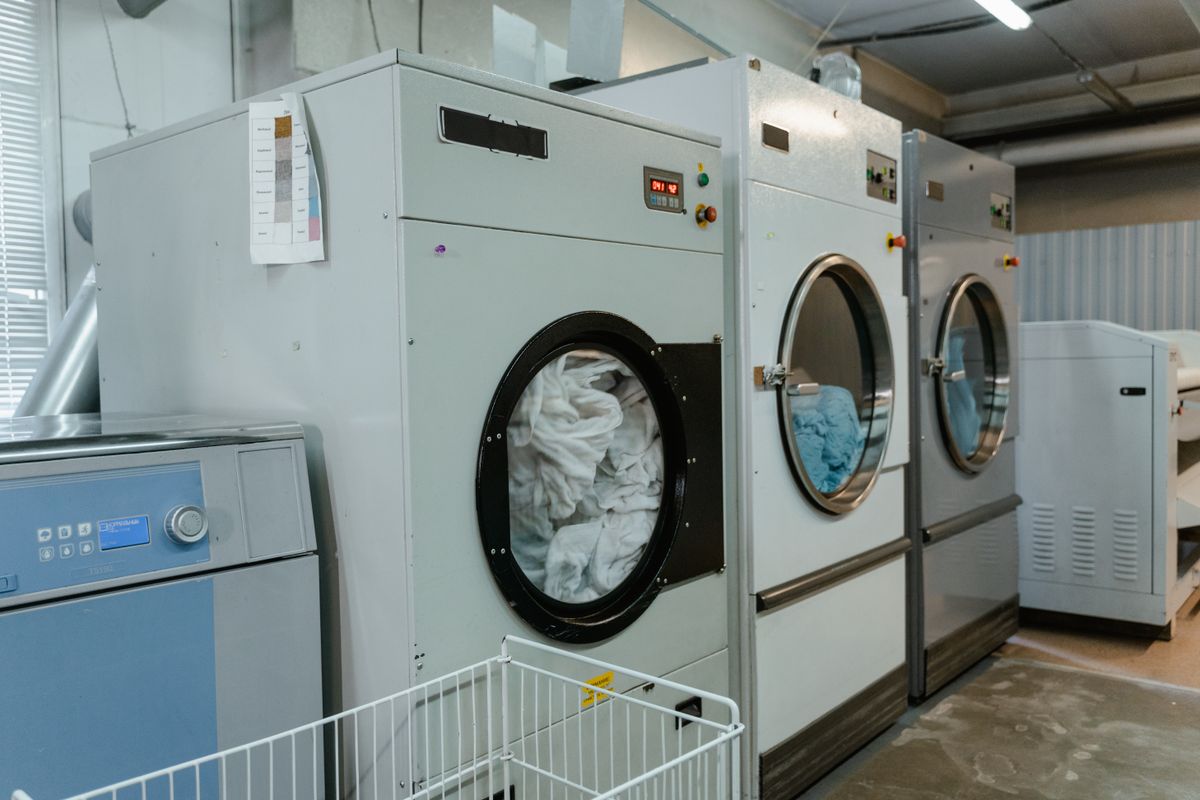
Quick answer: A dryer that runs but won't heat in Texas is almost always one of four issues: a blown thermal fuse (caused by overheating, often from a clogged vent), a burned-out heating element, a failed igniter or gas valve (gas dryers only), or a defective thermostat. The thermal fuse is the most common — and the easiest repair at $95–$150.
How Texas Climate Makes Dryers Run Hotter
Texas dryers run longer per load due to high humidity (clothes hold more moisture from the wash), and the dryer itself often sits in a hot garage or laundry area. This combination causes overheating, which trips the thermal fuse — a safety device designed to permanently disable the heating element if temperatures exceed safe limits.
The thermal fuse is designed to fail before the dryer can catch fire. Once tripped, it does not reset — it must be replaced. The fact that it's tripping at all usually points to a deeper cause: restricted airflow from a clogged dryer vent.
Diagnostic: Pinpointing the Cause in 10 Minutes
Follow these checks before calling a technician:
- Listen to the dryer. Does the drum still spin? If yes, the motor and belt are fine — the issue is purely in the heating circuit. If no, you have a separate motor or belt problem.
- Check the cycle setting. Is the dryer set to "Air Dry" or "Fluff"? These cycles intentionally don't heat. Change to "Regular" or "Heavy."
- Inspect the lint trap. Pull out the lint filter. If you can't see through it when held to a light, it's overdue for a cleaning. A clogged filter is the gateway to clogged ductwork.
- Check the dryer vent (the duct going outside). Disconnect the vent from the back of the dryer. Run the dryer for 2 minutes. If hot air now comes out of the dryer's back exhaust but didn't when connected, your vent is clogged. Do not run the dryer with a clogged vent — this is a fire hazard.
- Test for power to the heating element. This requires a multimeter — if you're not comfortable with one, skip to step 6.
- Call a technician. If the basic checks didn't fix it, you likely have a thermal fuse, heating element, or thermostat failure that requires part replacement.
What Each Failure Looks Like and Costs to Fix
| Component | Symptoms | Repair Cost |
|---|---|---|
| Thermal fuse | No heat, drum still spins, dryer feels cool | $95–$180 |
| Heating element (electric) | No heat, no warmth at all, drum spins normally | $180–$280 |
| Igniter (gas) | Drum spins, click sound but no heat | $140–$240 |
| Gas valve solenoid | Igniter glows but won't light gas | $190–$340 |
| High-limit thermostat | Heat works initially, then shuts off mid-cycle | $120–$220 |
| Cycling thermostat | Inconsistent heat or runs too hot | $120–$210 |
The Most Important Fix: Clean Your Dryer Vent
If your thermal fuse blew, the root cause is almost always a clogged dryer vent. Even after replacing the fuse, the new one will blow again within weeks unless you fix the airflow problem. According to FEMA, clogged dryer vents cause approximately 2,900 home fires per year — with Texas's hot climate, this risk is amplified.
Signs your vent needs cleaning:
- Clothes take longer to dry than they used to
- Dryer feels excessively hot to the touch
- Burning smell during operation
- Lint visible around the dryer or outside the vent exit
- Vent flap on outside of house doesn't open fully
Professional dryer vent cleaning in Texas costs $80–$150. We strongly recommend this every 1–2 years for Texas homes, and annually if you have pets or do 5+ loads per week.
Brand-Specific Notes
- Whirlpool / Maytag / Kenmore: Thermal fuse is located on the blower housing or heater can. Very common failure point. Easy access.
- Samsung / LG: Often use electronic temperature sensors instead of mechanical thermostats. Failures show as error codes (e.g., LG "tE" code). Sensor replacement runs $150–$250.
- GE / Hotpoint: Thermal fuse and high-limit thermostat are often combined into a single unit, slightly higher part cost (~$30 more).
- Speed Queen / Maytag Commercial: Premium dryers with more durable elements. Repairs less frequent but parts cost more.
If your dryer isn't heating and you've checked the basics, our certified Texas technicians provide same-day dryer repair with upfront pricing. Call (877) 670-1060 or read more about gas vs electric dryer differences if you're considering replacement.
Three Symptoms Texas Homeowners Often Misdiagnose
These three patterns produce identical user-visible symptoms but have different root causes:
- "Heats for a few minutes, then cool air": Often diagnosed as "heating element failure" but is actually a failing high-limit thermostat that's tripping early due to overheating. The thermostat is doing its job — the real issue is restricted airflow. Clean the vent before replacing the thermostat or you'll burn out a second one.
- "No heat at all, drum spins fine": Most homeowners assume the heating element. About half the time, it's actually a thermal fuse that blew because of previous overheating. Fuse is $20, element is $60 — but if you replace the wrong one, the other failure will reveal itself within days.
- "Takes 90 minutes for a normal load": Usually not a heating issue. This is almost always a vent restriction issue — air can't move moisture out, so the dryer runs longer to compensate. A clean vent usually solves this without any part replacement needed.
This is why a $75 diagnostic visit pays for itself. The technician runs voltage tests, temperature checks, and airflow measurements that pinpoint the actual failure. Guessing wrong wastes both the part cost and your time.
Texas Climate Maintenance Schedule
Three Texas-specific maintenance habits reduce dryer repair frequency:
- Clean the lint trap before every load. Texas humidity makes lint cling more than in dry climates. Even one load with partial lint buildup contributes to long-term vent restriction.
- Inspect the outside vent flap monthly during spring/summer. Wasps build nests inside vent housings — common across Texas. A blocked flap forces all the heat back into the dryer, causing thermal fuse trips.
- Vacuum the lint trap housing quarterly. Lint accumulates in the housing where the trap sits, beyond what the trap itself catches. A 5-minute vacuum prevents the most common Texas dryer fire risk.
Frequently Asked Questions
The most common cause is a blown thermal fuse, usually triggered by overheating from a clogged dryer vent. Other common causes are a failed heating element (electric) or igniter/gas valve (gas), and defective thermostats.
Yes, if you're comfortable disconnecting the dryer and removing the back panel. The fuse itself costs $10–$25. However, replacing only the fuse without addressing the underlying cause (usually a clogged vent) will result in the new fuse blowing within weeks.
Repairs range from $95–$340 in Texas. Thermal fuse replacement is $95–$180 (cheapest). Heating element replacement is $180–$280. Gas valve issues are most expensive at $190–$340.
Every 1–2 years for typical use, annually for households with pets or heavy laundry use (5+ loads/week). Clogged vents cause overheating, blown thermal fuses, and are responsible for thousands of home fires annually.
Need Professional Help?
If you're experiencing appliance problems in Texas, Home Sure Appliance Repair is here to help. Our experienced technicians provide fast, reliable repair service throughout the state.
(877) 670-1060