Microwave Not Heating? Causes and Solutions
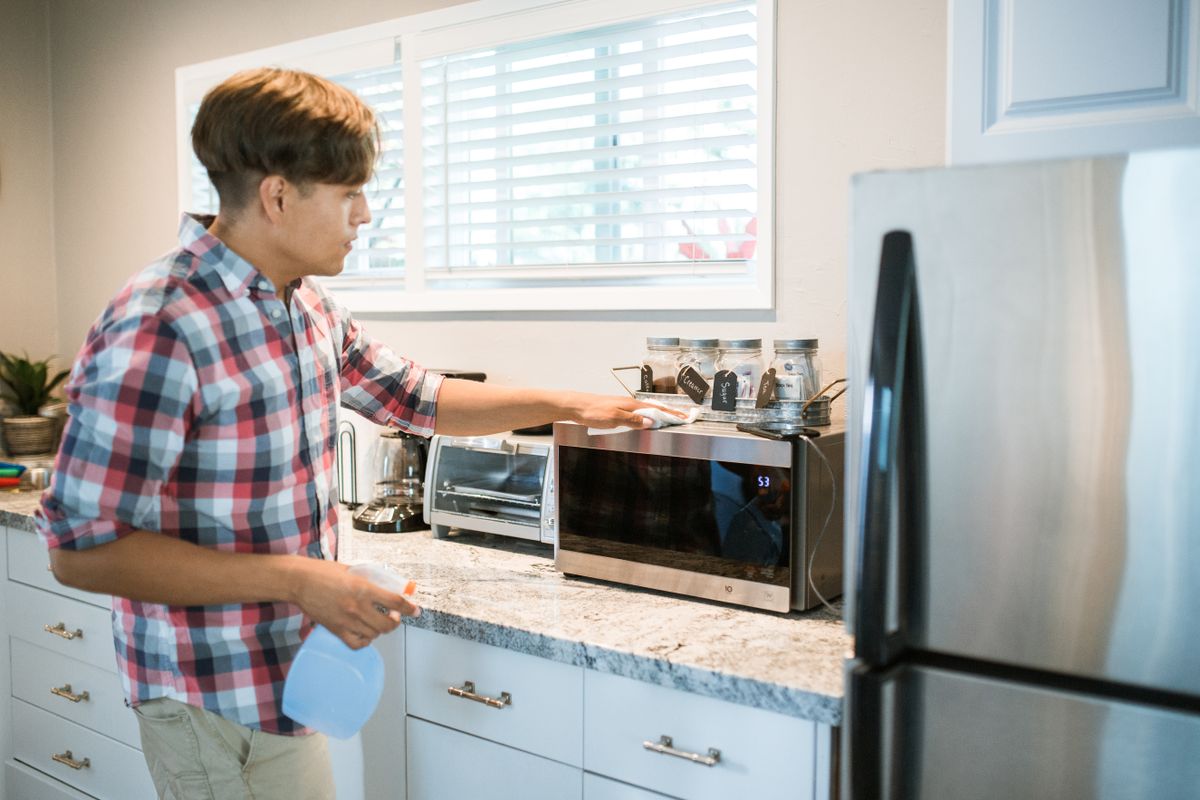
Quick answer: A microwave that runs (turntable spins, light on, timer counts down) but doesn't heat food almost always has a failed magnetron, high-voltage diode, or high-voltage capacitor. These repairs run $100–$300 — but because microwaves store lethal voltage even when unplugged, this is one appliance where DIY is genuinely dangerous and professional repair (or replacement) is the right call.
A Critical Safety Warning
Microwave repair is unlike other appliance repair. The high-voltage capacitor can hold a lethal electrical charge for a long time after the microwave is unplugged — enough to cause serious injury or death. Do not open a microwave's outer casing. The troubleshooting steps below are limited to things you can safely check from the outside. Internal component diagnosis and repair must be done by a trained technician with proper discharge tools.
First, Rule Out the Simple Stuff
Before assuming a major component failure, confirm it's not one of these:
- Wrong mode selected. Some microwaves have a "timer" or "kitchen timer" mode that counts down without microwaving. Make sure you're using "Cook" or a power level, not the timer.
- Power level set to 0 or low. If the power level was changed to P1 or P0, it'll run with minimal or no heating. Reset to high (P10/100%).
- Door not fully closed. Microwaves have door interlock switches that prevent heating if the door isn't sealed. A worn latch may let the microwave "run" (light/turntable) while the interlock blocks the magnetron. Press the door firmly closed and listen for the latch.
- Demo/showroom mode. Some models have a demo mode that simulates operation without heating. Check the manual for how to exit (often holding a specific button for several seconds).
If none of these apply and the microwave genuinely runs without heating, you're looking at an internal high-voltage component.
The Three Likely Culprits
| Component | Symptom | Repair Cost |
|---|---|---|
| Magnetron | Runs, no heat at all; sometimes buzzing/burning smell | $130–$280 |
| High-voltage diode | No heat, sometimes loud humming | $100–$200 |
| HV capacitor | No heat, may trip breaker | $120–$240 |
| Door interlock switch | Runs but interlock blocks heating | $100–$190 |
| Thermal fuse / thermoprotector | No heat after overheating event | $90–$170 |
The Repair vs. Replace Math for Microwaves
Microwaves are where the repair-vs-replace decision tips toward replacement more often than any other appliance, because new units are inexpensive:
- Countertop microwave ($80–$200 new): Almost always replace. A magnetron repair ($130–$280) exceeds or approaches the cost of a new unit. Not worth repairing unless it's a high-end model.
- Over-the-range microwave ($250–$600 new + install): Repair is often worthwhile because replacement includes removal, installation, and venting reconnection. A $200 diode repair beats a $500+ replace-and-install.
- Built-in/drawer microwave ($500–$1,500+ new): Almost always repair. Replacement requires matching the cabinet cutout and is expensive.
- Microwave/convection combo or premium brands: Repair — these are expensive to replace and built to last.
Why Magnetrons Fail
The magnetron is the component that generates microwave energy. It typically lasts 8–10 years of normal use. Failure is accelerated by:
- Running the microwave empty — with no food/liquid to absorb the energy, it reflects back and damages the magnetron. Never run a microwave empty.
- Blocked ventilation — over-the-range microwaves in Texas kitchens can overheat if grease-clogged vents trap heat, stressing the magnetron.
- Power surges — Texas's grid instability can damage the magnetron and HV components. A surge protector helps.
The Bottom Line
If your microwave runs but won't heat and it's a standard countertop unit, replacement is usually the smart, safe choice. If it's an over-the-range, built-in, or premium model, professional repair makes financial sense — and is far safer than attempting it yourself given the lethal stored voltage. Our technicians have the training and discharge equipment to repair these safely. See microwave repair and over-the-range microwave repair. Related: over-the-range microwave installation guide.
The Replace-or-Repair Reality Check
Before paying for any microwave repair, do a quick reality check on the unit's category. For a standard countertop microwave, the math almost always favors replacement — a new comparable unit costs about what the repair would, with none of the risk or wait. Spend repair money only where it clearly wins: over-the-range, built-in, drawer, and premium combination units, where replacement carries significant installation and cabinetry cost. Knowing which bucket your microwave falls into answers the repair question before a technician even arrives.
One Habit That Prevents Magnetron Failure
The most preventable cause of "runs but won't heat" is running the microwave empty or near-empty. With nothing to absorb the energy, it reflects back into the magnetron and degrades it. Make it a household rule never to start the microwave without food or a cup of water inside, and keep over-the-range vents clean so the unit isn't cooking in its own trapped heat. These two habits meaningfully extend magnetron life, especially in hot Texas kitchens.
Frequently Asked Questions
The most common causes are a failed magnetron, high-voltage diode, or high-voltage capacitor. First rule out simple issues: wrong mode, power level set low, door not fully closed, or demo mode. If those are fine, it's an internal high-voltage component requiring professional repair.
No. The high-voltage capacitor can hold a lethal electrical charge for a long time even after the microwave is unplugged. Microwave repair requires proper discharge tools and training. This is one appliance where DIY is genuinely dangerous — use a professional or replace the unit.
For countertop microwaves ($80–$200 new), usually replace — repair costs approach a new unit. For over-the-range, built-in, or premium microwaves, repair is worthwhile because replacement involves costly installation and cabinet matching.
Magnetrons last 8–10 years normally. Failure is accelerated by running the microwave empty (energy reflects back and damages it), blocked ventilation causing overheating, and power surges from Texas's grid instability.
Related Services & Resources
Need Professional Help?
If you're experiencing appliance problems in Texas, Home Sure Appliance Repair is here to help. Our experienced technicians provide fast, reliable repair service throughout the state.
(877) 670-1060